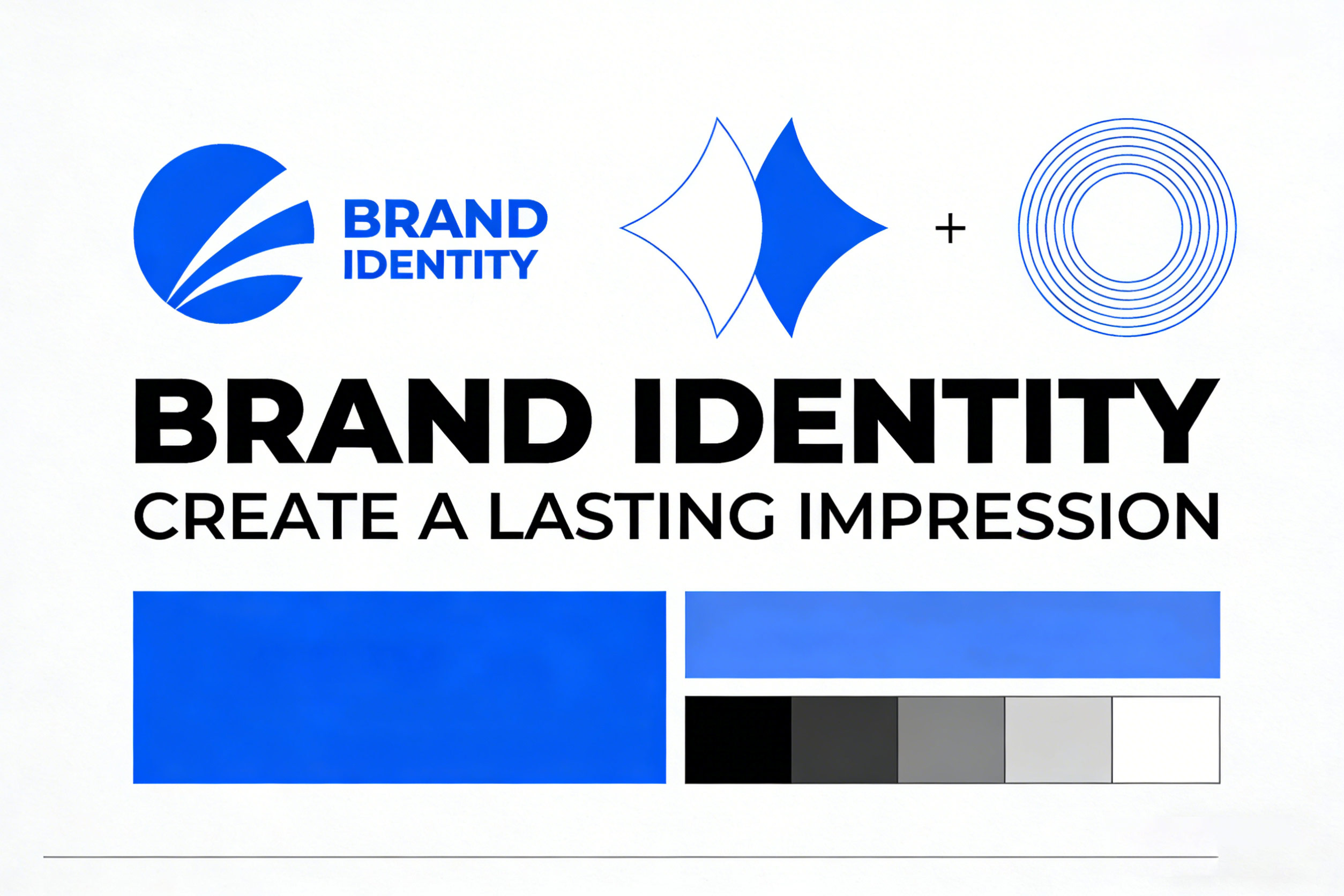
In 2026, brand design has evolved from static logos and color palettes into dynamic, living identities that respond to culture, technology, and human emotion. A strong brand is no longer just recognizable—it feels alive, adaptable, and deeply connected. For businesses, agencies, and creators, mastering brand design today means higher trust, better differentiation, and stronger emotional loyalty in an oversaturated digital landscape.
What Is Brand Design and Why It Matters More Than Ever?
Brand design encompasses the visual system that communicates a brand’s personality: logo, typography, color, imagery, motion, packaging, and digital touchpoints. Unlike graphic design alone, it builds consistent perception across every interaction. In 2026, excellent brand design drives up to 23% higher perceived value and significantly improves recall. With AI generating visuals at scale, human-centered, imperfect, and authentic identities stand out and win user preference.
Timeless Principles of Strong Brand Design
Even amid rapid change, these foundations remain essential:
1. Clarity & Memorability – Simple yet distinctive marks that work at any size.
2. Flexibility & Scalability – Systems that adapt across formats without losing character.
3. Emotional Resonance – Colors, shapes, and textures that evoke the right feelings.
4. Consistency with Variation – Unified voice, but room for contextual expression.
5. Inclusivity & Accessibility – High contrast, readable typography, and cultural sensitivity.
6. Storytelling Power – Every element tells part of the brand narrative.
7. Authenticity – Avoid generic trends; reflect real values and personality.
These principles ensure your brand design builds long-term equity.
Top Brand Design Trends Shaping 2026
The dominant theme of 2026 is “Imperfect by Design” — a rebellion against AI-polished perfection toward raw, human, tactile expression.
· Adaptive & Fluid Identities – Logos and systems that change shape, color, or form based on context, platform, time, or user mood. Dynamic logos are now standard.
· Humanized Imperfection & Naive Aesthetics – Wobbly lines, hand-drawn textures, asymmetry, visible grids, retro noise, and “messy beats perfect” vibes to counter AI uniformity.
· Tactile & Sensory Maximalism – Rough paper textures, 3D depth, material simulations (fabric, wood, metal), multi-sensory cues even in 2D.
· Modular & Flexible Systems – Instead of one fixed logo, brands use component-based kits that remix elements for endless variations while staying recognizable.
· Hyper-Expressive & Playful Typography – Exaggerated serifs, mixed collage fonts, kinetic motion type that feels alive and emotional.
· Organic & Nostalgic-Futurism – Blend 90s/early-2000s retro (PlayStation-era glitch, brutalist elements) with modern gradients, 3D, and AI-enhanced surreal details.
· Purpose-Driven & Emotionally Intelligent Design – Brands show vulnerability, inclusivity, and real values; visual systems adapt to convey care and humanity.
These trends increase dwell time, social shares, and SEO signals through richer engagement.
Best Practices for Brand Design in 2026
To build future-proof brands:
· Start with deep audience and cultural research.
· Design modular systems from day one.
· Embrace motion and micro-interactions early.
· Test across devices, lighting, and accessibility tools.
· Use AI as co-pilot for speed, but always apply human taste and editing.
· Prioritize sustainability in materials and digital carbon footprint.
· Refresh periodically without losing core DNA.
Essential Tools for Brand Designers in 2026
Figma remains central for collaboration and prototyping. Adobe Express and Canva offer quick AI-assisted exploration. Framer excels in motion and interactive identities. Emerging node-based AI tools (like those in Behance showcases) accelerate ideation while keeping control.
Conclusion: Brand Design as Strategic Advantage in 2026
In March 2026, brand design is the frontline of differentiation. By balancing timeless principles with “Imperfect by Design” trends, brands create identities that feel honest, adaptive, and emotionally magnetic. Audit your current system today, experiment with one adaptive or tactile element, and measure the lift in connection and performance. Great brand design doesn’t just look memorable — it makes people feel remembered.





 Design
 Develop
  Video
Video  AI
AI  Marketing
  Writing

 Andorra